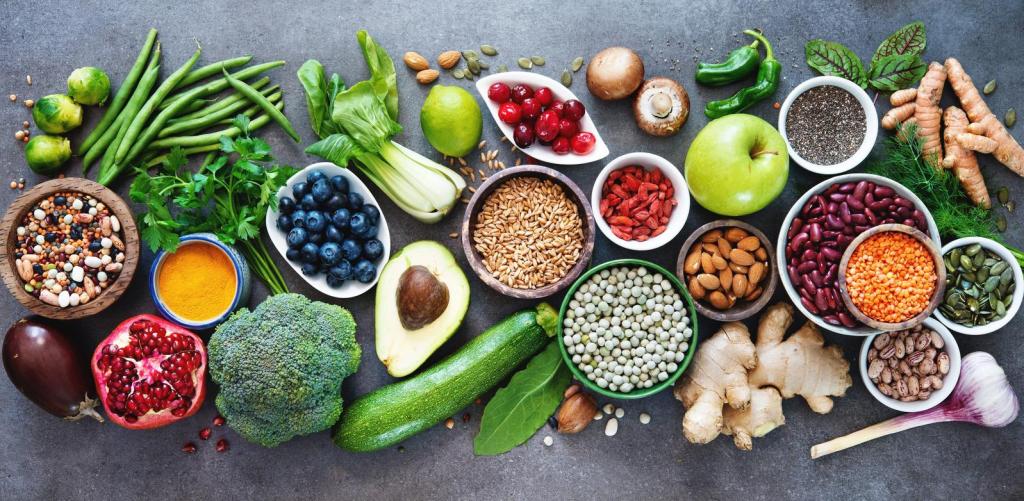
Your body depends on a variety of nutrients to stay healthy, and some of the most essential include minerals, vitamin B12, vitamin D, and the wide range of compounds found in vegetables and fruits. Minerals like iron, magnesium, zinc, and potassium support everything from oxygen transport and nerve function to muscle activity and immune strength. These are found in foods like leafy greens, nuts, seeds, legumes, and root vegetables. Vitamin B12 is crucial for forming red blood cells and keeping the nervous system healthy; it’s naturally found only in animal products such as meat, dairy, and eggs, so plant-based eaters need to rely on fortified foods or supplements. Vitamin D, important for bone health, immune defense, and mood regulation, is made by the body through sunlight exposure but can also be obtained from fortified foods and certain fish. Meanwhile, vegetables and fruits are nutritional powerhouses, offering not just vitamins and minerals but also fiber, antioxidants, and plant compounds that reduce inflammation and protect against chronic disease. Eating a colorful variety every day helps ensure your body gets the full spectrum of what it needs to thrive.
This quiz will determine how well you were able to learn the information that was provided above.
Apples are a classic fruit loved around the world for their crisp texture and naturally sweet flavor. Low in calories and packed with dietary fiber, apples help support digestion and maintain a healthy weight. They are also a good source of Vitamin C, which strengthens the immune system and supports skin health. Their rich antioxidant content, especially in the skin, helps fight inflammation and may lower the risk of heart disease.
Hover Details:
Calories: ~95 per medium apple
Vitamin C: 14% of daily value
Benefits: Heart health, digestion, immune support
Known as the “king of fruits,” mangoes are juicy, tropical fruits packed with Vitamin A and Vitamin C. These nutrients are essential for healthy skin, vision, and immune defense. Mangoes also contain powerful antioxidants like beta-carotene and zeaxanthin, which protect against cellular damage and promote eye health. Naturally sweet and fibrous, they make a great snack or smoothie addition.
Hover Details:
Calories: ~99 per cup (sliced)
Vitamin A: 25% DV, Vitamin C: 76% DV
Benefits: Skin glow, immune boost, eye protection
Apples are a classic fruit loved around the world for their crisp texture and naturally sweet flavor. Low in calories and packed with dietary fiber, apples help support digestion and maintain a healthy weight. They are also a good source of Vitamin C, which strengthens the immune system and supports skin health. Their rich antioxidant content, especially in the skin, helps fight inflammation and may lower the risk of heart disease.
Hover Details:
Calories: ~95 per medium apple
Vitamin C: 14% of daily value
Benefits: Heart health, digestion, immune support
VEGETABLES SPOTLIGHT!
Broccoli is a nutritional powerhouse loaded with fiber, Vitamin C, Vitamin K, and antioxidants. It supports a healthy immune system and may help protect against certain cancers. Eating broccoli steamed or raw provides important plant compounds like sulforaphane, which may help detox the body and reduce inflammation. It’s also great for bone health thanks to its high vitamin K content.
Hover Details:
Calories: ~55 per cup (cooked)
Vitamin C: 135% DV
Fun Fact: Broccoli contains more Vitamin C than an orange!
Benefits: Immunity, cancer-fighting, bone health
Spinach is a leafy green that’s low in calories but rich in nutrients like iron, magnesium, Vitamin A, and folate. It’s excellent for red blood cell production, eye health, and keeping your body energized. Spinach also contains lutein, which helps protect your eyes from harmful light. Whether raw in salads or cooked in meals, spinach is a versatile, nutrient-dense choice.
Hover Details:
Calories: ~23 per cup (raw)
Iron: 6% DV, Vitamin A: 56% DV
Fun Fact: Popeye made spinach famous for muscle power!
Benefits: Energy, vision, red blood cell support
Carrots are crunchy, sweet vegetables best known for their high beta-carotene content, which converts into Vitamin A in the body. This makes carrots especially good for vision and skin. They also provide antioxidants that may reduce the risk of chronic diseases. Carrots can be eaten raw, steamed, or roasted, and they’re a kid-friendly favorite due to their sweet flavor.
Hover Details:
Calories: ~41 per cup (raw slices)
Vitamin A: 334% DV
Fun Fact: Carrots were originally purple and yellow before orange became popular!
Benefits: Vision, skin, immune protection
📊 Comparison Chart: Nutritional Value of Fruits & Vegetables
Food Item
Calories (per serving)
Vitamin C (% DV)
Fiber (g)
Iron (% DV)
🍎 Apple (1 medium)
95
14%
4.4 g
1%
🍌 Banana (1 medium)
105
17%
3.1 g
2%
🫐 Blueberries (1 cup)
84
24%
3.6 g
2%
🥭 Mango (1 cup, sliced)
99
76%
2.6 g
1%
🥦 Broccoli (1 cup, cooked)
55
135%
5.1 g
6%
🌿 Spinach (1 cup, raw)
23
14%
0.7 g
6%
🥕 Carrots (1 cup, raw)
41
10%
3.6 g
2%
🍠 Sweet Potato (1 medium)
103
4%
3.8 g
4%
🔍 DV = Daily Value, based on a 2,000 calorie diet
“If you keep good food in your fridge, you will eat good food.”
United States Department of Agriculture. (2020). Dietary Guidelines for Americans, 2020–2025 (9th ed.). U.S. Department of Health and Human Services and U.S. Department of Agriculture. https://www.dietaryguidelines.gov





 Nutrijoy
Leave a comment