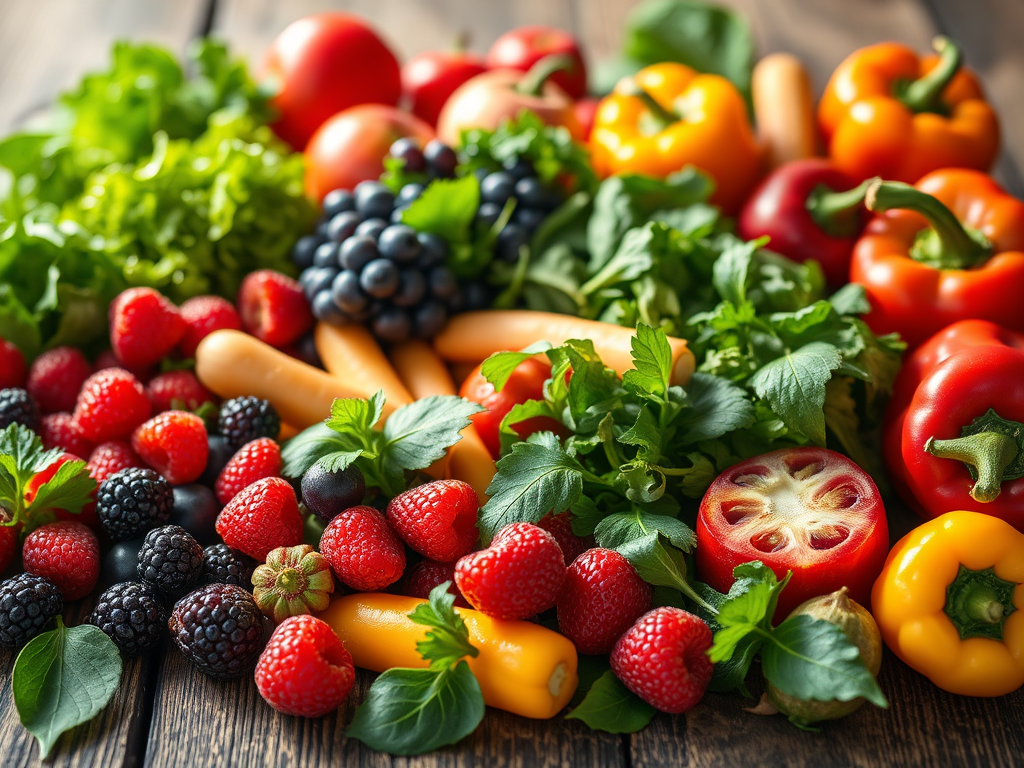
Eat More Fruits & Vegetables: A Simple Step Toward Better Health
Why It Matters
Fruits and vegetables (F&V) are packed with essential nutrients, fiber, and antioxidants that support overall health and help prevent chronic diseases.
Proven Benefits
- Reduces Risk of Chronic Diseases: Regular consumption of fruits and vegetables is associated with a lower risk of cardiovascular disease, type 2 diabetes, certain cancers, and all-cause mortality (Devirgiliis et al., 2024).
- Supports Healthy Weight: High-fiber, low-calorie fruits and vegetables help with satiety and weight management (Bertoia et al., 2015).
- Improves Gut Health: Fiber from F&V promotes a healthy gut microbiome and reduces inflammation (Devirgiliis et al., 2024).
- Boosts Immunity: Rich in vitamins A, C, and E, fruits and vegetables strengthen the immune system.
- Enhances Mental Well-being: Diets rich in plant-based foods are linked to improved mood and reduced risk of depression.
How Much Should You Eat?
The World Health Organization recommends at least 400 grams (5 servings) of fruits and vegetables per day for adults (Devirgiliis et al., 2024).
Easy Ways to Add More:
- Add fruit to breakfast cereal or yogurt
- Snack on raw veggies with hummus
- Include a salad or steamed vegetables with lunch and dinner
- Blend fruits into smoothies
- Keep pre-cut veggies in the fridge for quick access
Reference
- Devirgiliis, C., Guberti, E., Mistura, L., & Raffo, A. (2024). Effect of fruit and vegetable consumption on human health: An update of the literature. Foods, 13(19), 3149. https://doi.org/10.3390/foods13193149
- Bertoia, M. L., Mukamal, K. J., Cahill, L. E., Hou, T., Ludwig, D. S., Mozaffarian, D., Willett, W. C., Hu, F. B., & Rimm, E. B. (2015). Changes in intake of fruits and vegetables and weight change in united states men and women followed for up to 24 years: Analysis from three prospective cohort studies. PLOS Medicine, 12(9), e1001878. https://doi.org/10.1371/journal.pmed.1001878
 Nutrijoy